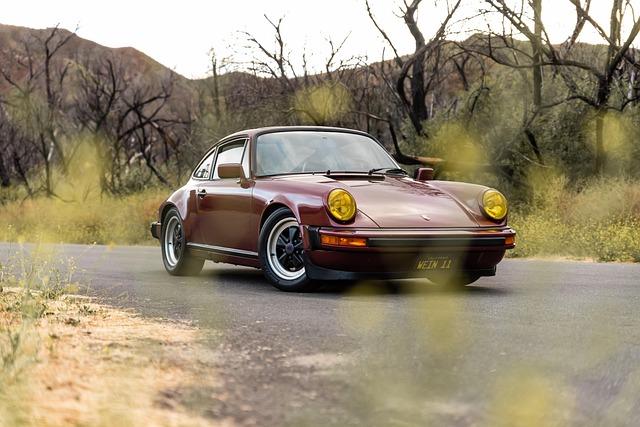
In a meaningful shift within teh world of endurance racing, Porsche has officially announced its decision to withdraw from the FIA World Endurance Championship (WEC) at the conclusion of the 2025 season. The German automaker, renowned for its storied legacy in motorsport, cited strategic re-evaluations as the driving force behind this decisive move. As one of the most accomplished manufacturers in WEC history, Porsche’s exit marks the end of an era and prompts questions about the future landscape of the championship. This proclamation comes amidst a period of transformation in the motorsport industry, where manufacturers are navigating the complexities of sustainability, technological advancements, and shifting consumer expectations. As fans and competitors alike prepare for the final seasons of Porsche’s participation, the implications of this departure will reverberate through the paddock and beyond, reshaping the dynamics of endurance racing as we know it.
Porsche’s Strategic Shift: Analyzing the Departure from World Endurance Championship
Porsche’s recent announcement regarding its exit from the World Endurance Championship (WEC) by the end of the 2025 season signifies a pivotal moment in its motorsport strategy. By stepping away from the WEC, Porsche may be reallocating resources and focusing on emerging technologies and platforms, including electric mobility and performance hybrids. The decision echoes a broader trend in motorsport where manufacturers are increasingly aligning their competitive strategies with sustainability goals. Industry analysts point to several key factors influencing this change:
- Shift to Electric Racing: With the growing importance of sustainability, Porsche is expected to pivot towards electric racing series, leveraging its advancements in electric vehicle technology.
- Resource Reallocation: The withdrawal may allow for a reallocation of budgets towards R&D for innovative products that align with market shifts.
- Competition Landscape: Increased competition within WEC could have prompted a reassessment of Porsche’s long-term goals in relation to performance and brand visibility.
As Porsche refines its motorsport vision, it’s essential to monitor how this strategic shift impacts its competitive posture. The decision may also have implications for its partnerships and sponsorship endeavors. A comparative analysis of Porsche’s involvement in other racing formats and its projected direction could provide valuable insights into the future of the brand in motorsport:
| Current Involvement | Future Focus |
|---|---|
| World Endurance Championship | Electric Racing Series |
| GT Racing | Sustainability Initiatives |
| Formula E Partnership | Increased Electric Vehicle R&D |
Implications for the Endurance Racing Landscape Following Porsche’s Withdrawal
Porsche’s decision to exit the World Endurance Championship (WEC) marks a significant shift in the endurance racing sphere, leaving not only a gap in competition but also reverberating implications for teams and manufacturers alike. The renowned brand has long been synonymous with success in endurance racing,securing multiple victories at iconic events such as the 24 Hours of Le Mans. With Porsche stepping back, the landscape is poised to experience several key changes:
- Increased Pressure on Remaining Manufacturers: Brands like Toyota, Audi, and Ferrari will face heightened expectations to fill the void left by Porsche’s departure, intensifying competition in an already fierce environment.
- Potential Impact on Fan engagement: Porsche’s exit may alter the dynamics of fan loyalty, pushing enthusiasts to rally around surviving teams while concurrently creating an opening for new and emerging manufacturers to enter the fray.
- Changes in Technical Partnerships: The withdrawal may lead to alterations in existing team alliances and partnerships, creating opportunities for remaining teams to form new collaborations focused on innovation.
Moreover, the implications extend beyond the immediate racing landscape, presenting both challenges and opportunities for organizers and sponsors. The absence of a major player like Porsche could alter the financial dynamics associated with the championship, ultimately affecting sponsorship deals, television rights, and fan attendance.
| Category | Impact |
|---|---|
| Manufacturer Stability | Potential uncertainty among teams relying on Porsche’s technical strength. |
| Fan Experience | Changes in engagement and loyalty metrics among core fan bases. |
| Sponsorship | Possible re-evaluation of sponsorship packages and priorities for teams. |
The end of the 2025 season could thus mark the beginning of a new era in endurance racing, reshaping the competitive fabric of the championship as stakeholders navigate this transitional phase. The integration of new competitors and adaptations within the existing teams will be closely watched as the motorsport community anticipates how this evolution unfolds.
Future Directions for Porsche: Opportunities beyond WEC Engagement
The decision to exit the World Endurance Championship (WEC) opens a multitude of avenues for Porsche, allowing the brand to refocus its efforts and resources on various other motorsport disciplines. This strategic pivot could pave the way for enhanced engagement in areas such as electric vehicle racing, where Porsche’s commitment to sustainability aligns with increasing global interest in green technology. Additionally, exploring opportunities in the burgeoning realm of esports racing can provide a platform for young talent and fan engagement. Potential areas of interest include:
- Formula E: Leveraging its expertise in electric vehicle technology to strengthen its foothold in the fast-evolving world of electric motorsports.
- GT Racing: Continuing its legacy in GT racing competitions that resonate well with the brand’s performance heritage.
- Advancement of Hypercars: Investing in the creation of hybrid hypercars that could compete in various endurance formats,showcasing technological advancements.
- Digital Engagement: Expanding its presence in virtual racing leagues to tap into younger audiences and digital enthusiasts.
moreover, Porsche’s revival of classic racing models could offer a unique possibility to bridge its storied history with modern advancements, creating a compelling narrative that resonates with both longtime fans and new consumers. Strategic partnerships with racing teams and manufacturers could further amplify its influence across diverse racing series. A quick glance at potential option racing involvements might include:
| series | Potential benefits |
|---|---|
| Formula E | Enhanced brand alignment with sustainability |
| GT Racing | Strengthened performance heritage |
| Virtual Racing | Expanded audience reach and engagement |
| Classic Racing Events | Promotion of brand story and engineering prowess |
Closing Remarks
Porsche’s announcement to withdraw from the World Endurance Championship (WEC) at the end of the 2025 season marks a significant shift in the landscape of endurance racing. As one of the most storied manufacturers in motorsport, Porsche’s departure raises questions about the future of competitiveness and innovation within the series. The company’s decision reflects broader strategic priorities as thay navigate the evolving automotive landscape and the transition towards electrification. As the motorsport community processes this change, the implications for current teams, upcoming regulations, and the overall prestige of the WEC will undoubtedly be a topic of much discussion in the months to come.Porsche’s legacy in endurance racing is indelible, and while their exit will leave a void, fans and competitors alike will be keenly watching as the championship adapts to this new era.