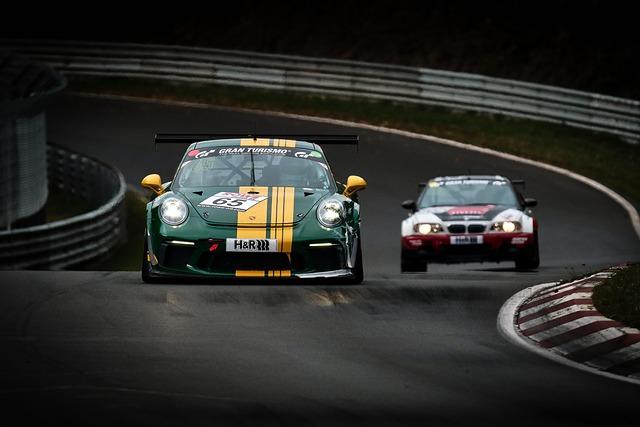
In a meaningful turn of events for motorsport enthusiasts, Porsche’s aspiring plans to participate in the World Endurance Championship (WEC) with its Hypercar project have reportedly fallen through. The news, confirmed by multiple sources, has sent ripples through the racing community, raising questions about the German automaker’s future in elite endurance racing. As competition in the hypercar category intensifies,Porsche’s withdrawal not only impacts its storied legacy in motorsports but also reshapes the landscape of the WEC,leaving fans and teams eager for clarity on the implications for the championship. This article delves into the reasons behind Porsche’s decision and what it means for the future of the WEC and its roster of competitors.
Porsche’s Withdrawal from WEC Hypercar: Implications for the Motorsport Landscape
Porsche’s decision to withdraw from the World Endurance Championship (WEC) Hypercar class marks a significant shift in the competitive landscape of endurance racing. The implications of this exit resonate beyond the Porsche brand, affecting various stakeholders within the racing community. As one of the most iconic manufacturers in motorsport, Porsche’s absence leaves an evident gap, impacting not just team dynamics but also the audience’s enthusiasm for the series. This decision could lead to a consolidation of power among the remaining manufacturers, such as toyota and Ferrari, thereby intensifying the competition among these established players. Moreover, Porsche’s move may deter potential newcomers from entering the Hypercar category, fearing the high stakes involved and the pressure of maintaining a competitive edge in a series dominated by automotive heavyweights.
The ramifications also extend to financial and marketing aspects.Many sponsors and partners aligned with Porsche will need to reevaluate their commitments,perhaps leading to a reevaluation of budgets across teams that are directly linked to the brand. This withdrawal may also influence fan engagement and attendance at WEC events, as Porsche’s storied legacy has attracted a loyal following. Key considerations include:
- Competitive Dynamics: Shifts in market share among existing teams.
- Sponsor Realignment: Potential financial impacts due to changes in brand visibility.
- New Entrants: Challenges in attracting fresh talent and brands to the Hypercar series.
| Manufacturer | Current Status in WEC |
|---|---|
| Toyota | Active |
| Ferrari | Active |
| Porsche | Withdrawn |
| Other Brands | Considering Entry |
Analysis of Strategic Missteps Behind Porsche’s Failed Hypercar Commitment
The recent decision by Porsche to withdraw from its hypercar program has sent shockwaves through the motorsport community, prompting a deeper examination of the strategic misalignments that ultimately led to this outcome. Key factors contributing to the reversal include a miscalculated assessment of market demand, underestimation of competitive pressure, and a failure to leverage existing strengths in sports car performance. Porsche, traditionally a powerhouse in motorsport, struggled to navigate the increasingly complex landscape where hybrid technology and cost-effective solutions are paramount.
Further complicating matters was the lack of a cohesive vision that could unify its engineering resources and marketing objectives. This disconnect might be illustrated by the following points:
- Inadequate R&D Investment: Comparatively lower allocation of resources towards hypercar growth hindered innovation.
- Poor Timing of Market Entry: Misjudgment of the readiness of the consumer base for hybrid hypercars resulted in missed opportunities.
- Competitive Landscape Ignorance: A failure to adequately analyze competitors’ advancements paved the way for missed strategic alliances.
| Strategic Element | Outcome |
|---|---|
| Market Demand Analysis | Overlooked potential consumer enthusiasm, leading to underestimated sales forecasts. |
| Resource Allocation | Insufficient investment resulted in a lack of competitive edge in technology. |
| Collaboration Opportunities | Failure to forge partnerships diminished market presence against rivals. |
Future Recommendations for manufacturers in Endurance Racing to Prevent Similar Pitfalls
Considering the recent developments surrounding Porsche’s decision to withdraw from the WEC Hypercar category,it is imperative for manufacturers to take a proactive approach to avoid similar scenarios in the future. Key recommendations include:
- Enhance collaborative Planning: Establishing stronger communication and collaboration among engineering, marketing, and management teams can mitigate misalignments in strategic objectives that impact project viability.
- Robust Market Analysis: Conducting extensive market assessments before committing resources can ensure that manufacturers align with consumer interests and industry trends.
- Incremental Testing and Feedback Loops: Implementing a structured feedback mechanism during the testing phases can provide invaluable insights that help in refining designs and processes in real time.
Moreover, manufacturers should focus on building partnerships that can bolster their resilience against unforeseen challenges. Possible areas of collaboration include:
| Partnership Type | Potential Benefit |
|---|---|
| Technical Alliances | Pooling resources for R&D can lead to cost-efficient innovations and shared expertise. |
| Supplier Collaborations | Strengthening relationships with key suppliers can ensure a more reliable supply chain, thereby reducing risk during production. |
| Joint Ventures | By partnering with other manufacturers, companies can share financial burdens while accessing new markets and technologies. |
In Retrospect
the ambitious plan to include Porsche in the World Endurance Championship’s Hypercar category has met an unforeseen setback, casting uncertainty over the manufacturer’s future in this prestigious racing series. As the automotive landscape evolves and competitors adapt,the dynamics within WEC continue to shift. While Porsche remains a formidable name in motorsport history, this latest development raises questions about its next steps and the broader implications for both the Hypercar category and endurance racing as a whole. Stakeholders and fans alike will be watching closely as the situation unfolds, hoping for a resolution that aligns with the rich legacy that Porsche has cultivated within the sport.