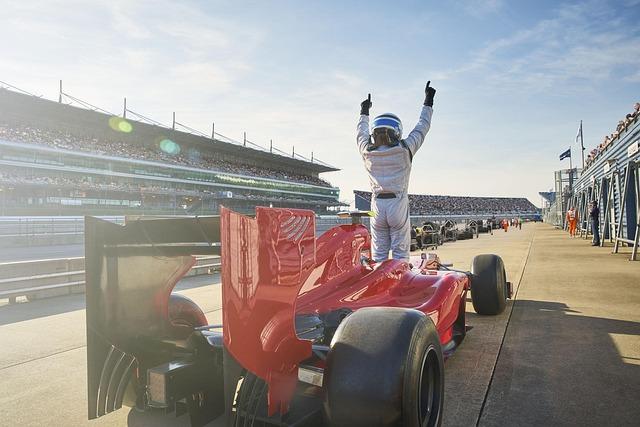
In the ever-evolving landscape of Formula 1, the debate surrounding the sport’s transition to hybrid power units has garnered renewed attention, notably following recent comments from two-time World Champion Fernando Alonso. The seasoned driver declared that F1 has lost a “decade of pure racing” as the introduction of hybrid technology in 2014. As motorsport enthusiasts and purists reflect on the implications of this significant shift, questions arise about the trade-offs between performance, sustainability, and the essence of racing itself. This article delves into Alonso’s perspective, exploring the impacts of hybrid technology on competition, fan engagement, and the future direction of Formula 1. Can the sport reconcile it’s commitment to sustainability with the pure, unadulterated thrill that once defined it? Or are we witnessing a new era that has, irrevocably, altered the spirit of racing?
The Impact of hybrid Technology on Racing Authenticity
The transition to hybrid technology in Formula 1 has undeniably altered the elements that define racing authenticity.Critics, including Fernando Alonso, argue that the introduction of hybrid engines has diluted the raw, visceral thrill that once characterized the sport. Traditionalists bemoan the shift away from the roaring sounds of V8s and the exhilarating simplicity of combustion engines.Rather, the current era showcases a high-tech realm where performance relies heavily on complex energy recovery systems and fuel efficiency. This evolution has led to mixed reactions among fans and purists, many of whom feel a sense of nostalgia for the ”pure racing” era.
Moreover, the impact of hybrid technology extends beyond merely the sound and feel of racing; it also influences the competitiveness and strategic elements of the sport. This technology has introduced intricacies such as:
- Energy Management: Drivers must now navigate complex strategies relating to battery usage.
- Performance Optimization: Teams utilize data analytics to maximize the intricate balance between power units and energy recovery.
- Environmental responsibility: enhanced focus on sustainability that appeals to a growing audience concerned with climate change.
While some celebrate these advancements as the evolution of motorsport, others contend that it has diminished the elemental thrill that captivated fans for decades. As F1 continues to evolve, the debate over racing authenticity and the integrity of competition remains as heated as the battles on the track.
Evaluating Alonso’s Perspective on Driver Skill versus technical Advancements
fernando Alonso’s assertion that Formula 1 has forfeited a “decade of pure racing” by transitioning to hybrid technology sparks a critical discussion about the balance between driver skill and technological advancement. Many enthusiasts argue that the switch to hybrid engines has created a performance environment that increasingly favors engineering prowess over raw talent. This has led to a shift in how races are won, with a greater emphasis on strategy, tire management, and energy recovery systems, challenging the conventional notion of racing as a test of a driver’s prowess behind the wheel.
On the other hand, the evolution of F1 technology could be viewed as a necessary step towards sustainability and relevance in an era defined by environmental concerns. The introduction of hybrid engines has not only propelled the sport into the future but has also spurred the growth of innovative technologies that enhance performance on track. When considering Alonso’s comments, one must weigh the importance of driver skill against the backdrop of an ever-evolving technical landscape. Key factors include:
- Track Performance: How driver capabilities interact with hybrid technology.
- Race Strategy: The increasing importance of strategic decisions over raw driving talent.
- Environmental Impact: the necessity for motorsport to adapt to sustainability goals.
| Aspect | driver Skill | Technical Advancement |
|---|---|---|
| Performance Consistency | Vital in maximizing potential | Can mitigate driver error |
| Fan Engagement | Character and narratives | Complexity may alienate casual viewers |
| Future of Racing | Need for skill remains | Technological evolution is essential |
Strategies for F1 to Rebalance Innovation and Pure Racing Experience
To rebalance innovation and the essence of racing, Formula 1 must embrace strategies that harmonize high-performance engineering with the raw competitiveness of motor racing. First, enhancing the role of driver skill can be pivotal. This can be achieved by re-evaluating tire compounds and aerodynamics, allowing drivers more room to showcase their talents rather than relying heavily on hybrid technology. Additionally, integrating more varied race formats could create unpredictable outcomes which are integral to the essence of racing. Events like reverse-grid races or sprint challenges can invigorate traditional race weekends and provide unexpected thrills for both spectators and teams.
Furthermore, promoting a culture of innovation that resonates with the spirit of racing is essential. Formula 1 could establish collaborative platforms where smaller teams are incentivized to innovate on a budget, eventually leading to breakthrough designs that can be adopted across the grid. Investment in sustainable racing technologies that maintain the excitement of high-speed competition without compromising on environmental responsibilities must be prioritized. By implementing these initiatives, F1 can maintain its position at the forefront of automotive technology while ensuring the sport’s core identity of pure racing is preserved for future generations.
To Conclude
Fernando Alonso’s assertion that Formula 1 has lost a “decade of pure racing” amid the transition to hybrid power units has sparked a crucial dialog about the sport’s evolving identity. As teams adapt to new technologies and regulations, the balance between performance, sustainability, and the essence of competitive racing continues to be debated among fans, drivers, and industry experts alike. While the hybrid era has introduced unprecedented efficiency and innovation, it has also raised questions about the authenticity of motorsport’s core values. As F1 looks ahead, it remains to be seen how the stewardship of the sport will reconcile Alonso’s concerns with the ambitious goals set for the future, particularly in regards to sustainability and fan engagement. The conversation sparked by Alonso’s comments is likely to influence the trajectory of Formula 1 as it strives to retain its rich heritage while moving forward into a new era.