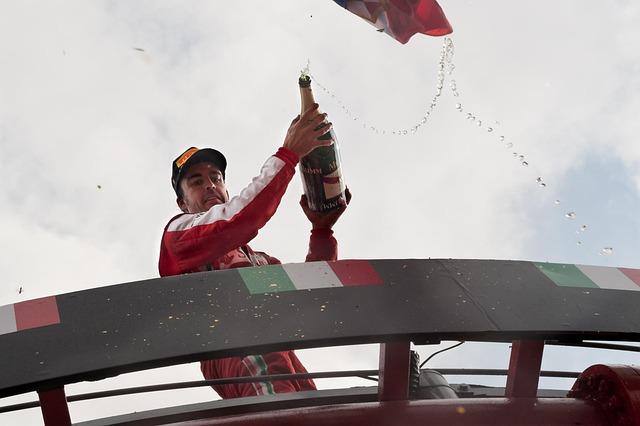
In a revealing expression of his frustrations, two-time Formula 1 champion Fernando Alonso has openly criticized the forthcoming regulations for the 2026 F1 cars, dubbing them the “most detrimental” in the sport’s history and claiming they “should not be on the track.” his comments come at a crucial time as Formula 1 prepares for significant changes aimed at enhancing sustainability and competitiveness.Alonso’s discontent underscores a growing unease among drivers and fans regarding the future direction of F1. This article explores Alonso’s provocative statements, analyzes the potential impacts of these new regulations, and considers reactions from various stakeholders within the paddock as F1 navigates this pivotal moment.
Alonso Expresses Dissatisfaction with 2026 F1 Car Regulations
In a recent discussion, Alonso articulated his dissatisfaction with the impending regulations set to take effect in 2026, labeling them as unprecedentedly poor for Formula 1. He raised critical concerns about how these changes could affect technological advancements and performance standards in racing. His apprehension stems from fears that these new rules may not only detract from thrilling racing but also pose significant challenges for teams striving to maximize their vehicles’ performance.
alonso pinpointed several pressing issues that he believes warrant immediate attention:
- Performance Limitations: The anticipated restrictions on engine output and aerodynamic designs could hinder innovation.
- Financial Strain: Smaller teams might find it tough to cope with the financial implications of adapting to these new standards.
- Diminished Driver Engagement: A shift towards technology over driver skill may result in less exciting races.
The experienced racer urged open dialog within the F1 community to reconsider these regulations before they are finalized, advocating for an equilibrium that prioritizes exhilarating competition while ensuring safety remains paramount.
Technical Challenges Behind Alonso’s Critique of Next-Gen F1 Cars
Alonso’s recent criticisms regarding upcoming cars highlight several technical deficiencies that have left many drivers feeling disillusioned. As Formula 1 evolves towards sustainability through hybrid technologies,it faces numerous challenges. Key engineering shortcomings can be summarized as follows:
- Cumbersome Weight Distribution: The increase in car weight negatively impacts both performance and handling capabilities.
- Peculiarities of Power Units: The complexity inherent in hybrid power units complicates achieving an optimal balance between performance efficiency and reliability.
- Lack of Driver Interaction: New aerodynamic innovations have led to vehicles that fail to provide adequate feedback during races.
This combination has resulted in a frustrating experience behind the wheel; Alonso noted how such engineering flaws overshadow what should be an exhilarating racing environment. These concerns have sparked discussions within industry circles about re-evaluating existing regulations to ensure that excitement remains integral to competitive racing.
A focus on basic aspects like car design is essential; see below for current conditions versus proposed adjustments:
| Description | Status Quo | Sought Modifications |
|---|
The issues raised by Alonso resonate beyond his personal frustrations; they echo sentiments shared by fans and experts who yearn for more thrilling race experiences. As conversations progress within engineering circles, it’s crucial they heed such insights when designing future cars-balancing competitive spirit with technological advancements is vital for motorsport’s evolution moving forward.
Strategies for FIA To Enhance Driver Safety And Maintain Competitive Integrity
The rising concerns expressed by drivers like Fernando Alonso regarding next-generation Formula 1 vehicles necessitate proactive measures from governing bodies focused on improving safety while preserving competitive integrity throughout motorsport.
Main recommendations include: A thorough review process concerning car design guidelines aimed at reducing risk factors associated with accidents is essential. Implementing standardized crash tests alongside mandatory safety features across all teams would help guarantee minimum protection levels during races.
Moreover,support programs promoting driver mental health and fostering better communication channels between teams & race officials are critical steps toward creating safer environments overall.
To uphold competition integrity further,stricter controls over performance-enhancing technologies must be enforced so every team adheres uniformly under established standards-this can involve developing clear systems monitoring telemetry data & race strategies ensuring no unfair advantages arise due loopholes present today!
Additionally,encouraging collaboration among different teams to share best practices related both safety protocols & technological advancements will lead toward comprehensive improvements across board! by addressing these matters thoughtfully now we pave way toward future where innovation coexists harmoniously alongside player welfare & fair play principles!
Conclusion: Navigating Change In Formula One Racing Landscape
The candid observations made by Fernando Alonso concerning upcoming changes surrounding next-gen formula one cars have ignited substantial discourse throughout motorsport communities worldwide! His declaration labeling them “the worst ever” reflects deep-rooted anxieties surrounding key elements including vehicle performance/safety along core essence defining what makes auto-racing captivating overall! As we approach this transformative phase filled uncertainty ahead-it remains unclear how governing authorities will respond effectively addressing valid critiques voiced thus far? Reactions stemming from fans/teams/fellow racers alike undoubtedly shape trajectory series takes moving forward amidst turbulent waters ahead… Ultimately reminding us all just how delicate balance exists between tech advancement vs maintaining spirit competition itself- stakes couldn’t possibly higher than right now!