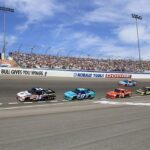
In a surprising turn of events, rising racing star David Malukas has issued a public apology for comments he made that were widely perceived as immature adn critical of the Chevrolet brand. The 21-year-old driver, who competes in the NTT IndyCar Series, sparked controversy after expressing dissatisfaction with aspects of the Chevrolet engine performance during a recent interview. Malukas’s remarks quickly drew attention not only for their frankness but also for the potential implications they held for his relationship with the manufacturer. In his apology, the young driver acknowledged the inappropriateness of his statements and emphasized his respect for the Chevrolet team. This incident has ignited discussions about the pressures young athletes face in high-stakes environments and the importance of maintaining professionalism in public discourse.
David Malukas Reflects on impact of His Comments About Chevrolet
In a recent candid interview, David Malukas expressed his regrets over comments he made regarding Chevrolet’s performance and support. Initially speaking from a place of frustration, Malukas described how his remarks were motivated by his desire for enhancement and innovation within the sport. However, upon reflection, he acknowledges that his choice of words was less than tactful and could have been seen as disrespectful. He emphasized the importance of maintaining strong partnerships in the racing community and recognized that constructive criticism should be communicated with more care and professionalism.
Malukas outlined several key lessons learned from this experience, which he feels will guide him in the future:
- Respect for Partnerships: Acknowledging the hard work and dedication of manufacturers like Chevrolet.
- Professionalism in Communication: Understanding the impact of words and the necessity of expressing criticism in a balanced manner.
- Focus on Growth: Harnessing feedback as a tool for personal and team development rather than as a means to assign blame.
By embracing these lessons, Malukas hopes to foster a more collaborative atmosphere in the world of racing, where open dialog can lead to collective advancement.
Understanding the Context of Malukas’ Critique and Its Ramifications
In the high-octane world of motorsports, where precision and performance reign supreme, David Malukas’ recent criticism of Chevrolet has ignited a firestorm of conversation and scrutiny. His remarks, perceived as immature and ill-timed, not only put a spotlight on his relationship with the manufacturer but have also opened the floor to debates regarding manufacturer favoritism and driver autonomy. The fallout from Malukas’ comments has the potential to impact his budding career and raise questions about how drivers publicly express their frustrations in a high-stakes environment where every word is magnified. Critics argue that his statements undermined the cooperative spirit that is essential for teams and manufacturers to thrive collaboratively.
Moreover, the ramifications extend beyond Malukas as they touch on broader themes within the racing community. With several potential consequences at hand, teams, sponsors, and fans are left to ponder:
- Impact on Team Dynamics: How will his comments affect team morale and performance moving forward?
- Sponsor Relationships: Could Malukas’ statements jeopardize vital sponsorship deals?
- Future Communications: Will drivers be more cautious in their public commentary to avoid backlash?
This incident serves as a reminder of the delicate balance drivers must maintain between expressing their genuine feelings and managing the intricate relationships that ensure their success in a competitive field. as Malukas seeks to mend fences with Chevrolet,the unintended consequences of his critique may very well serve as a case study for future interactions within motorsports.
Moving Forward: Suggestions for Constructive Communication in Motorsports
In light of the recent controversy surrounding David Malukas’ remarks about Chevrolet, it’s crucial to promote a culture of constructive communication within the motorsports community. Drivers and teams should strive to express their opinions in a way that facilitates dialogue rather than conflict. By adopting a more diplomatic approach, participants can maintain professional relationships while addressing their concerns. Suggestions for achieving this include:
- Focusing on facts: Ground statements in data and measurable outcomes to provide a solid basis for opinions.
- Avoiding personal attacks: Refrain from language that may come off as offensive or dismissive toward individuals or brands.
- Encouraging a feedback culture: Foster an environment where feedback is welcomed and viewed as an opportunity for growth.
- Utilizing official channels: Share concerns through proper team channels, allowing for structured responses.
To further illustrate the importance of positive communication strategies, a recent case analysis demonstrates how diplomacy can yield better results. The following table highlights various approaches and potential outcomes:
| Communication Approach | Potential Outcome |
|---|---|
| Direct Criticism | Escalation of conflict and damage to relationships |
| Constructive Feedback | Resolution of issues and strengthened partnerships |
| Public Grievances | Negative media coverage and community backlash |
| Private Discussions | Calm dialogue leading to collaborative solutions |
In Retrospect
David Malukas’s recent apology for his comments regarding Chevrolet underscores the complexities of the competitive landscape within motorsports. The young driver acknowledged the impact of his words and expressed a commitment to maintaining professionalism as he continues to navigate his burgeoning career. As the racing community reflects on the importance of sportsmanship and accountability, Malukas’s situation serves as a reminder of the fine line athletes frequently enough tread when voicing their opinions. With the upcoming races ahead, both Malukas and Chevrolet will undoubtedly be focused on their performance on the track as they seek to rebuild and move forward from this incident.