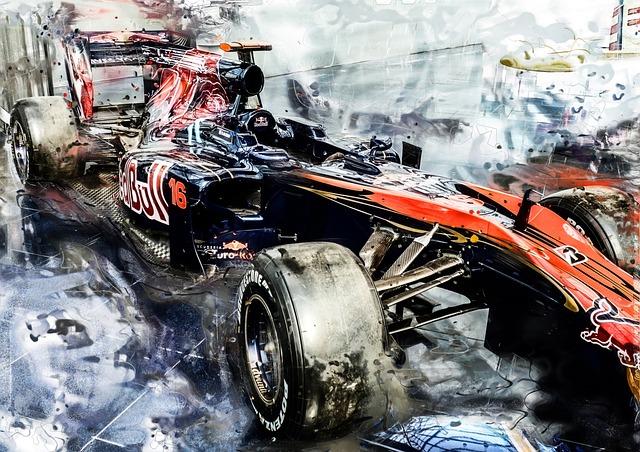
How Motorsport Aerodynamics Shaped Modern Sports Cars
In the world of high-performance automotive engineering, few elements have had as profound an impact on vehicle design as aerodynamics.Originally a specialized domain within motorsport, the principles of air dynamics have transcended the racetrack, influencing the design and performance of modern sports cars. As manufacturers strive for speed, efficiency, and stability, the lessons learned from motorsport aerodynamics are now integral to the production of road-going vehicles. This article delves into the interesting evolution of aerodynamic technology in motorsport and its lasting effects on the aesthetics and engineering of today’s sports cars, revealing how what was once limited to the circuit has become a cornerstone of modern automotive innovation. Explore how elements such as downforce, drag reduction, and streamlined designs are not onyl enhancing the capabilities of these machines but are also setting the standard for future developments in the industry.
The Evolution of Aerodynamic Design in Motorsport and Its Influence on Sports car Performance
The transformation of aerodynamic design in motorsport has considerably influenced the development of high-performance sports cars over the decades. Initially, race car aerodynamics focused primarily on reducing drag and increasing downforce to enhance grip on the track. As technology progressed, engineers began to explore sophisticated shapes and materials, realizing that the subtleties of airflow could yield unprecedented advantages. The introduction of wind tunnel testing enabled designers to visualize airflow patterns, leading to innovations such as ground effects and active aerodynamics. These advancements not only improved lap times but also set a benchmark for civilian sports cars that sought to replicate similar performance characteristics on the road.
Modern sports cars are now infused with insights gained from motorsport, featuring elements like front splitters, rear wings, and diffusers. These components are meticulously designed to balance aerodynamic efficiency and aesthetic appeal,allowing for optimal speed without compromising on style. The proliferation of lightweight materials such as carbon fiber and aluminum further enhances the aerodynamic profile,resulting in vehicles that are not just faster but also more fuel-efficient. below is a brief overview of key aerodynamic elements derived from motorsport that are commonly found in modern sports cars:
| Aerodynamic Element | Function |
|---|---|
| Front Splitter | Increases downforce at the front, reducing lift |
| Rear Wing | Enhances stability and traction by increasing rear downforce |
| Diffuser | Helps to accelerate airflow under the car, reducing drag |
| Aerodynamic Body Shape | Minimizes drag by optimizing the overall shape |
Key aerodynamic innovations transferred from Racing to Road Cars
In recent years, the synergy between motorsport and road cars has intensified, leading to pivotal aerodynamic advancements that are now standard in high-performance vehicles.The obsession with downforce and drag reduction in racing has translated into practical applications for everyday drivers, enhancing both performance and safety. Key innovations include:
- Active Aerodynamics: Components that adjust based on speed, such as movable wings and grille shutters, optimize airflow for improved handling and efficiency.
- Underbody Venturi Design: Inspired by F1, this design helps funnel air under the car, creating ground affect that increases downforce without significantly raising drag.
- Diffuser Technology: Originally developed for racing, modern rear diffusers now feature in sports cars, channeling airflow more effectively to enhance stability.
Manufacturers are increasingly turning to computational fluid dynamics (CFD) and wind tunnel testing, leveraging data-driven insights that originated in the motorsport arena. The impact of these innovations can be illustrated in the following table, demonstrating how racing technologies enhance production models:
| Innovation | Racing Submission | Road Car Benefit |
|---|---|---|
| Active Spoilers | F1 Cars | Improved cornering grip |
| Aerodynamic Mirrors | GT Racing | Reduced air resistance |
| Rear Diffusers | Le mans Prototypes | Enhanced stability at high speeds |
Enhancing Sports Car Efficiency: Practical Recommendations from Motorsport Principles
To elevate the performance and efficiency of modern sports cars, manufacturers are increasingly turning to the complete principles established in motorsport. One of the most impactful strategies involves optimizing aerodynamics through meticulous design tweaks inspired by race cars. Key recommendations include:
- Refined Body Shapes: Streamlining the overall shape of the vehicle to reduce drag, including features such as a lower profile and strategically placed air inlets.
- Active Aerodynamics: Implementing adjustable aerodynamic elements like deployable rear wings that can change based on speed and driving conditions.
- Underbody Design: Creating a smooth underbelly to facilitate air flow, thus enhancing ground effects and lowering the car’s center of gravity.
Moreover, attention to weight distribution and material efficiency plays a monumental role in improving both speed and fuel economy. Insights derived from racing emphasize the use of lightweight materials such as carbon fiber and aluminum, leading to meaningful reductions in overall weight without compromising structural integrity. In addition, optimal suspension setups and tyre choices tailored for specific driving conditions can further improve traction and handling. The integration of these practices not only boosts efficiency but also enhances the overall driving experience, marrying performance with rationality in a way reminiscent of the best innovations in motorsport.
to sum up
the intricate dance between motorsport aerodynamics and modern sports car design has not only resulted in vehicles that are faster and more agile but has also redefined the very essence of automotive innovation. As engineers continue to push the boundaries of technology, leveraging insights gained from the racetrack, we can expect future sports cars to embody even more advanced aerodynamic principles. This relentless pursuit of efficiency and performance reinforces the connection between motorsport and consumer vehicles, ensuring that the thrill of racing permeates the everyday driving experience. As we look ahead, it is clear that the legacy of aerodynamics in motorsport will continue to inspire and shape the evolution of sports cars for generations to come, merging science with speed in a captivating blend of artistry and engineering.