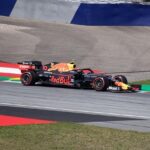
In a dramatic turn of events on the Formula 1 circuit, Alpine driver Pierre Hadjar has found himself at the centre of controversy following a heated exchange with Williams’ Alex Albon during the recent Grand Prix. The confrontation, which took place instantly after the race, has raised eyebrows and drawn the scrutiny of FIA stewards, leading to an inquiry that could have meaningful implications for both drivers.Eyewitness accounts describe an intense scene as emotions ran high, with Hadjar’s fury reportedly stemming from a series of aggressive maneuvers by Albon throughout the race. As teams and fans alike await the stewards’ decision, this incident not only highlights the pressures of competitive racing but also raises questions about sportsmanship and conduct on the grid.
Hadjar Faces FIA Investigation Following Heated Exchange with Albon
In a dramatic turn of events during the latest race weekend, Hadjar found himself under scrutiny from FIA stewards after a confrontation with Williams driver Alexander Albon. The incident, which escalated on track, appeared to stem from a series of aggressive maneuvers that left both drivers visibly frustrated. Eyewitness accounts and race footage suggest that Hadjar’s defensive tactics were perceived as overly aggressive, leading to a heated exchange in the paddock post-race.The implications of this confrontation could have far-reaching consequences for the young driver,as the FIA has a history of taking such incidents seriously.
Sources close to the investigation report that the stewards will analyze race footage and gather statements from both drivers to determine any potential violations of racing conduct. Among the key elements under examination are:
- On-track behavior: Review of Hadjar’s maneuvers during the race.
- Post-race comments: Statements made by both drivers about the incident.
- Paddock interactions: Details surrounding the confrontation after the race.
As the situation unfolds, fans are left to speculate on what penalties, if any, Hadjar might face. With the season reaching a critical juncture, the consequences of this investigation could significantly impact not only Hadjar’s championship aspirations but also his reputation in the competitive motorsport landscape.
Concerns Rise Over Driver Conduct Amid tensions on the Track
In the wake of a heated confrontation between Sebastian Hadjar and Alexander Albon during the recent race, the FIA stewards are facing mounting pressure to address potential misconduct on the track.Witnesses reported a furious exchange that escalated tensions not just between the drivers but also among their respective teams.This incident has raised red flags regarding driver conduct, leading to discussions about the need for tighter regulatory measures to ensure fair play. key concerns include:
- Increased Aggression: Drivers seem to be pushing limits beyond acceptable boundaries.
- Impact on Safety: The confrontational behaviors could endanger other competitors.
- Team Relations: Rising hostilities may affect partnerships and team dynamics in the paddock.
As the FIA investigates the incident, there is a growing call for immediate action to reassess driver guidelines and ensure that rivalries do not compromise the integrity of the sport. Speculations about potential penalties for Hadjar could set a precedent, reminding all competitors of the importance of maintaining decorum on the track. The current situation has led to a broader discussion on whether existing rules are sufficient to deter such confrontations. Some of the proposed solutions include:
| Proposed measures | Rationale |
|---|---|
| Stricter Penalties | To discourage aggressive behavior. |
| Review Board | To assess incidents impartially post-race. |
| Driver Workshops | To promote sportsmanship and interaction. |
Recommendations for Ensuring Professionalism and Conflict Resolution in Racing
In light of recent incidents such as the confrontation between Hadjar and Albon, it is essential for all participants in motorsport to uphold the highest standards of professionalism on and off the track.Maintaining a respectful habitat not only fosters goodwill within the racing community but also enhances the overall integrity of the sport. To achieve this, drivers and team members should adhere to the following principles:
- Maintain Composure: It is crucial for drivers to keep emotions in check, especially during high-stakes situations.
- Use Effective Communication: Open and respectful dialog can help to clarify misunderstandings before they escalate into conflicts.
- Prioritize Team Unity: A strong, cohesive team can better navigate challenges and disagreements, maintaining professionalism throughout.
Moreover, it is vital for racing authorities to have clear conflict resolution mechanisms in place.Establishing systematic processes can promote fairness and transparency, alleviating tensions that arise during competitions. Key components of an effective conflict resolution strategy may include:
| Strategy | Description |
|---|---|
| Mediation Sessions | Facilitated discussions between conflicting parties to reach a mutual agreement. |
| Code of Conduct | Clear guidelines outlining acceptable behavior for all participants involved in racing. |
| Feedback Mechanisms | Channels for reporting concerns or conflicts, ensuring everyone’s voice is heard. |
Future Outlook
the escalating tensions between Red Bull Racing’s junior driver Zane Hadjar and Alexander albon have not only sparked a heated exchange on the track but have also raised eyebrows within the FIA’s regulatory body. As stewards review the incident, questions linger about the ramifications for Hadjar, who has found himself at the center of controversy just as he seeks to establish his place in the competitive world of Formula 2. With the racing season intensifying, both Hadjar and Albon will be keen to respond to this setback, navigating the fine line between competitive spirit and sportsmanship. As developments unfold, the motorsport community will be watching closely to see how the FIA decides to address this matter, setting a precedent for driver conduct in the future.