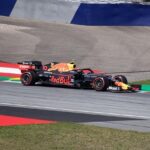
In the lead-up to the highly anticipated United States Grand Prix at the Circuit of the Americas (COTA), rookie driver Oscar Piastri has raised concerns about the notorious bumps on the track, warning that they could pose a notable overtaking hazard during the race. The Australian, who has been making waves in the Formula 1 circuit this season, emphasizes the challenges drivers face when navigating the undulating surfaces, notably in high-stakes overtaking scenarios. With the race drawing near, piastri’s insights highlight the ongoing dialogue about track safety and the importance of driver feedback in shaping the viewing experience for fans and competitors alike. As teams prepare for the austin event, the implications of these bumps could influence race strategies and considerably affect the outcome of this crucial race.
Oscar Piastri Highlights COTA Bumps as Potential Overtaking Risk at US Grand Prix
During the lead-up to the highly anticipated US Grand Prix at the Circuit of the Americas (COTA), Oscar Piastri has drawn attention to the track’s notorious bumps, emphasizing their potential to complicate overtaking maneuvers. As teams set up their cars for the unique challenges posed by COTA, the young Australian driver highlighted that while the circuit is thrilling, the uneven surface could lead to unexpected consequences for drivers attempting to execute strategic passes. He stated that the bumps not only disrupt car handling but can also create a risk of losing contact with other competitors, which is crucial during overtaking situations.
Piastri noted several factors that could contribute to the overtaking hazards at COTA,including:
- Car stability: The bumps may lead to unpredictable car behavior,especially at high speeds.
- Braking Zones: Drivers may struggle to hit their braking points correctly due to the uneven asphalt.
- Race Strategies: Teams will have to devise more complex strategies to mitigate risks associated with overtaking.
With the potential for incidents increasing,the situation at COTA will require not only skill but also caution from the drivers. As they gear up for the race, how effectively they adapt to the bumps will likely play a crucial role in the outcome of the Grand Prix.
Drivers Express Concerns Over Safety and Performance Issues Due to Track Conditions
As the anticipation builds for the upcoming United States Grand Prix at the circuit of the Americas (COTA), drivers have voiced significant apprehension regarding the track’s condition. Oscar piastri, among others, has raised alarms about the prevalent bumps around the circuit that could complicate overtaking maneuvers. Many racers believe that these uneven sections not only jeopardize their vehicle’s performance but also raise safety concerns as they navigate high-speed sections. The fear is that the instability caused by these bumps can lead to unpredictable handling, particularly when drivers are vying for position.
In light of this situation, several teams are assessing their setups to adapt to the track’s challenges. The ongoing discussions highlight key issues, such as:
- Increased tire degradation: Drivers are concerned that the bumpy surface may cause uneven wear on tires, leading to performance drops during the race.
- Potential for accidents: the unpredictable nature of the track conditions could heighten the risk of collisions, particularly during overtaking attempts.
- Driver fatigue: Constant adjustments needed to counteract the bumps can lead to increased physical strain over the course of the race.
| Team | Driver | Concerns |
|---|---|---|
| McLaren | Oscar Piastri | Instability during overtakes |
| Ferrari | Charles Leclerc | Tire wear issues |
| Red Bull | Max Verstappen | Collisions risk |
As engineers and strategists work to mitigate these issues, the focus remains on refining setups that can handle COTA’s notorious bumps. This race will not only test the limits of the cars but also the resilience and adaptability of the drivers as they confront a unique set of challenges on the Texan track.
Recommendations for Track Modifications to Enhance Overtaking Opportunities and Driver Safety
In light of Oscar Piastri’s concerns regarding the bumpy surface at Circuit of the Americas (COTA), there are several modifications that could significantly enhance the overtaking landscape while prioritizing driver safety. Considerations could include:
- Surface Reinforcement: Smoothening uneven patches or repairing potholes to provide a more stable racing line.
- Wider Corners: Expanding selected turns to facilitate multiple racing lines,which increases opportunities for overtaking.
- Run-off Areas: Implementing wider and safer run-off zones to give drivers more options in case of aggressive maneuvers.
Additionally, integrating more elevation changes strategically could encourage daring overtaking attempts while minimizing the risk of accidents.This could involve:
- Chicane Adjustments: Reconfiguring existing chicanes to create further opportunities for side-by-side racing.
- Added Curbs: Installing curbs that permit drivers to utilize every inch of road without compromising their vehicle balance, thereby fostering competitive spirit.
- Marker Indicators: Including visual aids on the track to signal prime overtaking zones and warn about potential hazards.
| Modification | Benefits |
|---|---|
| Surface Reinforcement | Increased grip and stability |
| Wider Corners | More racing lines available |
| Run-off Areas | Safer recovery options |
Concluding Remarks
As the anticipation builds for the US Grand Prix at the Circuit of the Americas, Oscar Piastri’s warnings about the potentially hazardous bumps on the track have sparked crucial conversations about driver safety and race strategy. With the challenges posed by the uneven surface, teams will need to carefully consider their setups to mitigate risks during overtaking maneuvers. As the Formula 1 calendar continues to push boundaries, Piastri’s insights serve as a reminder that the intricacies of modern racing extend far beyond speed alone. Fans will be watching closely to see how these conditions shape the race on Sunday, and what implications they hold for both drivers and teams as the championship battle intensifies.