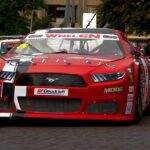
In a bold move that underscores the burgeoning popularity of motorsport in the United States, officials at the Circuit of the Americas (COTA) are advocating for the construction of a second racetrack alongside the iconic venue that hosts the Formula 1 U.S. Grand Prix. As the motorsport landscape in the U.S. continues to evolve-drawing in record crowds and viewership-COTA’s proposal aims to capitalize on this momentum by providing additional facilities that could accommodate a wider array of racing events. This venture not only highlights the increasing demand for motorsport entertainment but also reflects a strategic effort to enhance the economic footprint of the region through tourism and local engagement. With discussions already underway, the implications of such an expansion could significantly reshape Texas’s reputation as a premier destination for racing enthusiasts.
Exploring the Economic Impact of a Second Track for F1’s U.S. grand Prix
As discussions about a second track for Formula 1’s U.S. Grand Prix gain momentum, the potential economic ramifications are under scrutiny. Local businesses in Austin, Texas, anticipate notable benefits, projecting boosts in tourism and consumer spending. with an additional venue, the city could host more events year-round, potentially increasing the number of visitors and lengthening thier stays. Key stakeholders argue that a second track could lead to the creation of thousands of jobs, further invigorating the local economy. Projected benefits include:
- Increased Tourism: Attracting fans and tourists beyond the F1 race weekend.
- Job Creation: Opportunities in hospitality, retail, and event management.
- Long-term Investments: Potential for development of surrounding infrastructure.
- brand Partnerships: Collaborations with businesses leveraging F1’s global audience.
The project’s funding sources and cost projections reveal a complex financial landscape. A preliminary budget outlines expected expenses and potential revenue influx.City officials propose a mix of private investment and public funding to finance the construction and maintenance costs. A detailed table below summarizes key figures related to the project’s anticipated financial impact:
| Category | Estimated Amount ($) |
|---|---|
| Construction Costs | 25,000,000 |
| Annual Maintenance | 1,500,000 |
| projected Annual revenue | 10,000,000 |
| Jobs Created | 3,000 |
As stakeholders weigh the costs against potential returns, the discussion continues to evolve, highlighting not just the economic opportunities, but also the broader implications for Austin’s identity in the motorsport world. If executed effectively, the project could firmly position Austin as a prominent hub for racing enthusiasts while fostering a vibrant local economy.
Assessing the Strategic Benefits for Local Businesses and Tourism
The introduction of a second race track in the U.S. Grand prix venue presents a myriad of strategic advantages for local businesses and tourism. Local retailers and service providers stand to gain significantly from the increased foot traffic generated by high-profile motorsport events. With the influx of race fans, the area can expect growth in sectors such as hospitality, dining, and entertainment. this can translate into enhanced revenue opportunities, including:
- Increased hotel bookings and longer stays
- Higher sales for local restaurants and bars
- Expanded merchandise sales at local shops
Additionally, a second race track could establish the region as a premier motorsports destination, encouraging repeat visits and extended tourist seasons. The economic ripple effect is likely to generate job creation in various sectors,strengthening the local economy. notably, the development may also enhance the brand image of the locality, creating numerous potential partnerships with businesses and stakeholders looking to capitalize on the motorsport industry’s growth. Key benefits may include:
| Benefit | Description |
|---|---|
| Job Creation | increased demand for workforce in hospitality and event management. |
| Long-term investment | potential for sponsorships and corporate partnerships. |
| Brand Exposure | Showcasing the region on a global stage through media coverage. |
recommendations for Sustainable Expansion and Community Involvement
To ensure the sustainable expansion of the second race track, local authorities and stakeholders should prioritize eco-amiable designs and practices throughout the development process. Implementing green technology and infrastructure can significantly reduce the environmental impact. Recommended initiatives include:
- Renewable Energy Sources: Incorporating solar panels and wind turbines to power facilities.
- Water Management: Utilizing rainwater harvesting systems and drought-resistant landscaping to minimize water consumption.
- Public Transportation: Enhancing public transit options to the venue to decrease traffic congestion and emissions.
- Community Partnerships: Collaborating with local environmental organizations to promote sustainability initiatives.
Engagement with the community is essential for the successful rollout of the second track. by actively seeking public input and fostering a collaborative environment, organizers can create a fan-friendly atmosphere that resonates with local residents.Strategies for effective community involvement may include:
- Open Forums: Hosting regular town hall meetings to gather feedback and address concerns.
- Community Events: Organizing local fairs or events that celebrate motorsport while involving nearby residents.
- Volunteer Opportunities: Creating programs that invite community members to participate in race planning and maintenance activities.
- local Business Support: Partnering with nearby businesses to provide exclusive deals or sponsorships during race weekends.
| Focus Area | Suggested Action |
|---|---|
| Environmental Impact | Incorporate renewable energy sources |
| water Usage | Implement rainwater harvesting |
| Community Relations | Host open forums and events |
| Local Economy | Support local businesses |
Wrapping Up
the push for a second racetrack at the Circuit of the Americas reflects the growing importance of Formula 1 in the United States and the broader ambition to capitalize on the sport’s expanding fan base. By investing in infrastructure, local stakeholders aim to not only accommodate an increasing number of events but also enhance the region’s status as a premier motorsport destination. As the demand for motorsports continues to rise in North America, the vision for a dual-track facility could transform the landscape of racing in the U.S.,positioning Austin at the forefront of a new automotive era.as officials move forward with their plans, the motorsport community will be watching closely to see how this development unfolds and what it means for the future of F1 in America.