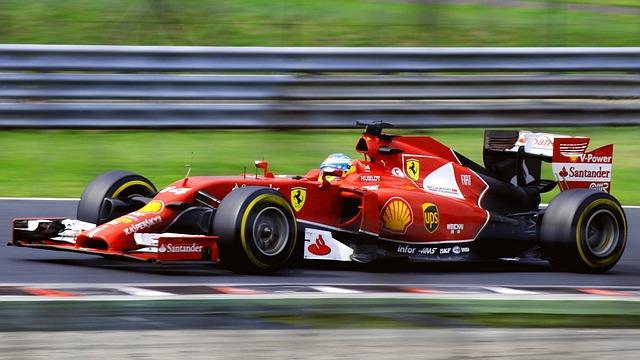
Qatar Grand Prix Tyres Face Extreme Stress From 16 High-Speed Corners
As the world’s attention turns to the high-octane excitement of the Qatar Grand Prix, a particular challenge looms large for teams and drivers alike: the demanding tire performance across 16 of the circuit’s high-speed corners. With temperatures soaring and track conditions evolving, the tyres must endure immense stress-a crucial element that could heavily influence race strategies and outcomes. In a sport where every fraction of a second counts, understanding the intricate balance between speed, durability, and grip becomes paramount, especially on this exceptionally challenging track. As competitors prepare to navigate the sharp contours and rapid turns of the circuit, the pressure is on for tyre manufacturers and teams to find the optimal combination that will withstand the rigours of race day while maximizing performance. This article delves into the unique challenges posed by the Qatari track and the critical role tyres play in the pursuit of victory.
Understanding the Unique Challenges of Qatar Grand Prix Tyres in High-Speed Corners
The Qatar Grand Prix presents a unique set of challenges for teams as they navigate the demanding circuit,which boasts 16 high-speed corners.Each of these corners imposes meaningful stress on the tyres, requiring a careful balance between grip, durability, and performance. Engineers must meticulously consider factors such as tyre temperature, wear rates, and the specific cornering characteristics of the circuit as they strategize for race day. The asphalt surface, coupled with the hot climate, contributes to greater heat buildup in the tyres, necessitating optimal settings that can withstand prolonged exposure to demanding cornering forces.
To tackle these high-speed turns, teams employ a range of tyre compounds tailored to the Qatar circuit, each offering different characteristics that can affect overall performance.The strategy often includes:
- Compound Selection: Choosing the right mixture of soft, medium, and hard compounds to maximize grip while minimizing degradation.
- Pressure Management: Adjusting tyre pressures to enhance contact with the road and improve handling during high-speed maneuvers.
- Temperature Control: Monitoring and managing tyre temperatures to prevent overheating,which can lead to a loss of traction.
| tyre Type | Grip Level | Durability |
|---|---|---|
| Soft | High | Low |
| Medium | Moderate | Moderate |
| Hard | Low | High |
Expert Insights on Tyre Durability and Performance Under Extreme Conditions
The Qatar Grand Prix presents a unique challenge for tyre manufacturers, especially given the circuit’s 16 high-speed corners that demand extraordinary durability and performance. Under the intense pressure of rapid turns and significant lateral forces, the tyres experience extreme wear and heat. Understanding the materials and design technologies that enhance tyre resilience is essential for teams aiming to maximize their grip and longevity on the track. Key innovations include:
- Optimized Rubber Compounds: Tailored formulations that withstand high temperatures while providing optimal traction.
- Reinforced Sidewalls: Designs that prevent flexing under cornering stress and enhance overall tyre stability.
- Advanced Tread Patterns: Specific patterns that channel excess heat away, improving performance during prolonged high-speed laps.
Along with materials, tyre pressure management plays a critical role in performance. Teams must meticulously balance pressure levels to ensure the tyres maintain their structural integrity while maximizing contact with the asphalt. A well-optimized setup can substantially enhance a driver’s ability to navigate the circuit’s complex layout. The table below illustrates the impact of different tyre pressures on performance metrics observed during practise sessions:
| Tyre Pressure (psi) | Lap Time (s) | Tyre Wear (%) | Driver Feedback |
|---|---|---|---|
| 20 | 1:28.5 | 15 | Excellent grip |
| 22 | 1:29.2 | 20 | stable but less responsive |
| 24 | 1:30.0 | 30 | Poor grip |
Strategies for Optimizing Tyre Management During the Qatar grand Prix
Maximizing tyre performance at the Qatar Grand Prix hinges on a multifaceted approach that addresses the unique challenges of the circuit. Teams should focus on meticulous tyre management strategies that account for the track’s abrasive surface and its layout, which includes 16 high-speed corners demanding optimal grip. Key strategies include:
- Pre-race Testing: Conduct extensive simulations during practice sessions to gather data on tyre degradation.
- Optimal Pressure Settings: Fine-tune tyre pressure based on temperature readings to maintain consistency and enhance longevity.
- Compound Selection: Prioritize softer compounds for greater grip while planning pit stops strategically to avoid time loss.
Additionally, understanding the dynamics of the Qatar circuit can help teams devise tailored pit stop strategies. A well-timed pit stop can significantly mitigate the risk of overheating and wear, allowing drivers to maintain competitive lap times throughout the race. Below is a fast reference table for tactical tyre choices:
| Tyre Compound | ideal Usage | Key Benefits |
|---|---|---|
| Soft | Initial Stages | High grip, fast lap times |
| Medium | mid-race | Balanced performance, durability |
| Hard | Late Race | longevity, consistent performance |
The Conclusion
As the dust settles at the Qatar Grand Prix, the remarkable performance of teams and drivers becomes increasingly clear against the backdrop of the unique challenges posed by the circuit’s 16 high-speed corners. The demands on tyre durability and grip were pushed to the limits, showcasing both the engineering prowess of manufacturers and the skill of the drivers navigating this high-octane track. As the motorsport world reflects on the outcome of this thrilling event, one thing is certain: the Qatar Grand Prix has underscored the critical role tyres play in racing strategy, safety, and performance. Looking ahead, teams will undoubtedly focus on optimizing their tyre management techniques, preparing for the next race with newfound insights gleaned from the intense pressures of this challenging course. As we await the next thrilling installment of the championship, fans and analysts alike will be keenly watching how teams adapt and innovate in response to the extreme demands exemplified in Qatar.