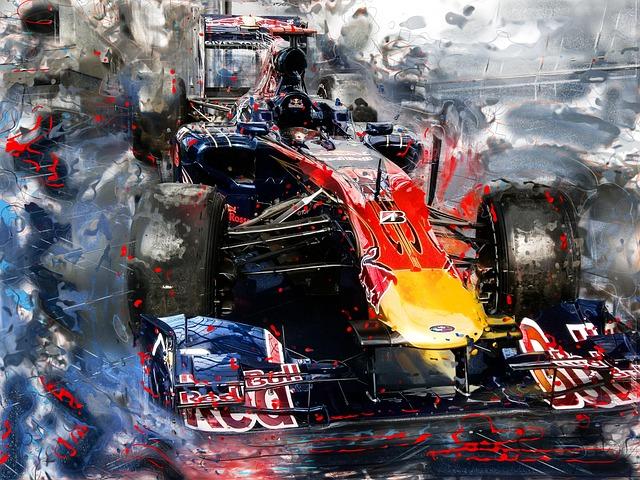
In the fast-paced realm of motorsport, few names resonate as powerfully as Max Verstappen. The reigning Formula 1 champion, known for his fierce competitiveness and remarkable skill behind the wheel, now finds himself on the precipice of a new challenge: endurance racing in the world Endurance Championship (WEC). As he transitions from the high-octane sprints of F1 to the grueling demands of endurance events, Verstappen is poised to confront a set of unique challenges and contrasts that define these two motorsport disciplines. from race strategies and vehicle dynamics to the psychological rigors of multi-hour contests, the differences between Formula 1 and WEC are stark and notable. In this article,we delve into the key distinctions that Verstappen will face as he embarks on this enterprising new chapter with Red Bull,exploring how his skills will be tested in ways he has yet to experience on the racetrack.
Understanding the Unique Strategies of Endurance Racing in the WEC
Endurance racing, especially in the FIA World Endurance Championship (WEC), demands a profound shift in strategy compared to Formula 1. In this format, the intricate interplay between speed and stamina becomes paramount, influencing not onyl car performance but also driver tactics. Team dynamics play a crucial role, with drivers needing to collaborate closely, sharing insights on tire wear, fuel efficiency, and lap times. The extended race durations,often spanning six,twelve,or even twenty-four hours,require meticulous planning,allowing teams to develop strategies that adapt based on real-time data. key elements of this endurance-focused strategy include:
- Stint management: Balancing speed with the ability to conserve tires and fuel over long distances.
- Driver rotation: Strategically scheduling driver changes to maintain optimal performance while minimizing fatigue.
- Pit stop strategy: Calculating the perfect moments for refueling and tire changes to maximize time on the track.
The unique characteristics of endurance racing also extend to vehicle setup and engineering approaches. Unlike the focused design ethos typical of F1, where single laps are king, WEC vehicles must maintain consistent speed over lengthy stints. This requires engineers to emphasize durability and efficiency in the car’s design. Factors such as aerodynamics and weight distribution are intricately crafted to enhance not just speed, but the car’s ability to endure the relentless demands of long-distance racing. A comparative look at performance metrics reveals distinct differences:
| Performance Metric | F1 | WEC |
|---|---|---|
| Race Time | 90 minutes – 2 hours | 6 – 24 hours |
| Driver Stints | 1 driver per session | Multiple drivers, rotating |
| Pit Stops | Strategic, longer |
Navigating the Technical Challenges: Comparing F1 Precision with WEC Durability
The world of motorsport is one of contrasts, and the differences between Formula 1 and World Endurance Championship (WEC) showcase two distinct philosophies in racing. In Formula 1, teams like Red Bull Racing fine-tune their cars for ultimate speed and precision.Each race weekend revolves around achieving the fastest lap times, a pursuit that requires minute adjustments to aerodynamics, tire pressure, and engine performance. The focus on maximizing performance over a relatively short race distance means that reliability can sometimes take a backseat, leading to the necessity of frequent pit stops and substantial risk-taking from drivers.
On the flip side, WEC requires a strategy that emphasizes durability and consistency. races span several hours, demanding not only swift laps but also the ability to maintain peak performance without overexerting the machinery. This endurance aspect means that teams must strike a delicate balance between speed and longevity. Some key factors affecting race strategy include:
- Fuel efficiency – Essential for minimizing pit stops and maintaining competitive lap times.
- Tire selection – Choosing tires that can last while still providing adequate grip during long stints.
- Driver rotation – Ensuring each driver remains at peak performance level over extended periods.
Understanding and mastering these technical challenges is imperative for any driver transitioning from F1 to endurance racing. The contrasting requirements not only test the limits of the vehicle’s engineering but also the adaptability of the driver behind the wheel.
The Role of Team Dynamics: How Collaboration Differs in Endurance Events
When comparing Formula 1 to endurance racing,the importance of team dynamics takes center stage. In F1, the focus is on maintaining peak performance during a single race, which can lead to a more frantic, high-pressure environment. Each member of the pit crew must operate with precise timing and cooperation to ensure that the driver maintains their lead.However, in endurance events like the World Endurance Championship (WEC), the collaborative spirit takes on a different form. The strategy here involves long-term collaboration, where drivers and crew support one another over several hours, and frequently enough across multiple races. This shift means adaptability and dialog are key, as the team must respond to changes in conditions while keeping drivers fueled and rested at optimal intervals.
In endurance racing, the roles within the team can also differ substantially. Unlike F1, where roles are primarily specialized, WEC teams are often required to involve more versatile skills among their members. Team members must possess a strong understanding of mechanical issues, strategy, and driver psychology. This necessitates a culture where team unity plays a pivotal role, fostering a bond that enhances overall performance. Key elements that contribute to successful team dynamics in endurance events include:
- Effective Communication: Continuous updates between drivers and engineers.
- Shared Strategy Development: Collaborative decisions made on fuel usage and tire selection.
- Emotional Support: Keeping morale high through extended hours of competition.
Final Thoughts
As Max Verstappen prepares to expand his racing repertoire beyond the fast-paced world of Formula 1,the stark contrasts presented by endurance racing in the World Endurance Championship (WEC) will be a significant challenge. The skills that make him a formidable competitor in short, intense stints will be put to the test amid the grueling demands of multi-hour races, where strategy, teamwork, and consistency take center stage. With Red Bull’s foray into this prestigious series, the eyes of motorsport enthusiasts will be keenly attuned to how Verstappen adapts to the different rhythm and requirements of endurance racing. As fans eagerly await his debut, it remains to be seen how the young Dutch driver will navigate these differences, and whether he can replicate his F1 success on the endurance stage.One thing is certain: the transition promises to bring an exciting new chapter to his already illustrious career.