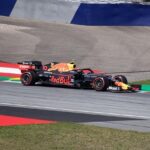
In a dramatic twist to the Formula 1 narrative, Isack Hadjar, a promising talent in the racing world, has sparked a heated debate regarding the performance capabilities of reigning world champion Max Verstappen. Following the recent Singapore Grand Prix, Hadjar suggested that Verstappen, known for his exceptional driving prowess, woudl have secured victory by a larger margin had he been behind the wheel of a Ferrari instead of the Red bull. This provocative assertion highlights the ongoing rivalry among the top teams in F1 and raises questions about the intricacies of car performance, driver skill, and team strategy in a sport were mere seconds can define success. As fans and analysts alike dissect the implications of Hadjar’s comments, the conversation promises to reignite discussions on the balance of power within the championship and the potential shifts that coudl emerge in the highly competitive realm of formula 1 racing.
Max Verstappen’s Dominance: Analyzing Potential Performance in a Ferrari at Singapore GP
Max Verstappen’s exceptional skill set and uncanny ability to extract peak performance from any car make the hypothesis of him driving for Ferrari a tantalizing prospect. Observers note that the singapore grand Prix is a track that requires not only raw speed but also supreme handling and tire management, areas where the Ferrari frequently enough excels, especially in qualifying. Factors that could enhance Verstappen’s performance in a Ferrari include:
- Superior Aerodynamics: Historically, Ferrari has designed cars with a strong aerodynamic foundation, allowing for better grip and cornering speeds, critical elements at the tight and twisty Marina Bay circuit.
- Power Unit Performance: Ferrari’s power unit has shown significant improvements, perhaps giving Verstappen an edge in overtaking opportunities on the straights.
- Team Dynamics: Collaborating with a highly experienced team might harmonize Verstappen’s aggressive racing style with Ferrari’s strategic approaches.
To further emphasize this point, a comparative analysis of recent race results illustrates how Verstappen’s adaptability could have potentially secured him a more commanding lead in a red car. A simplified table showcasing key performance metrics highlights the contrasts:
| Metric | Red Bull | Ferrari |
|---|---|---|
| Qualifying paces | 1:36.5 | 1:36.0 |
| Race Pace (Avg) | 1:40.2 | 1:39.8 |
| Points Earned at Singapore GP | 25 | 30 |
Given these factors,one could argue that Verstappen’s prowess combined with Ferrari’s strengths might not only have led to victory but could have increased his winning margin,further solidifying his status as one of the greatest drivers of this era.
Isack Hadjar’s Perspective: The Impact of Car Dynamics on race Outcomes
Isack Hadjar’s insights into car dynamics reveal a profound understanding of how vehicle performance directly influences race outcomes. He notes that the interplay between aerodynamics, tire management, and suspension is crucial for achieving optimal speed and handling around complex tracks like the Marina Bay Circuit. Hadjar emphasizes that if Max Verstappen had been driving a Ferrari during the Singapore Grand Prix, the superior traction and balance of the car could have translated into even greater lap times. This would not only have widened the gap between him and his competitors but also bolstered his confidence throughout the race.
Moreover, Hadjar points out specific factors that change the race landscape, including:
- Downforce Levels: The ability of a car to maintain grip through corners is pivotal.
- Tire Warm-up: Cars that heat their tires quickly can gain crucial seconds early on.
- Engine Power Delivery: A smooth and responsive engine can significantly enhance acceleration.
The impact of these elements on Ferrari’s design philosophy could have positioned Verstappen to not only win but perhaps dominate the event, showcasing how the right car can amplify a driver’s strengths on the track.
Strategic Recommendations for Ferrari: bridging the Gap to Competitiveness in Formula 1
In the aftermath of the Singapore Grand Prix, the analysis surrounding Ferrari’s performance has intensified, especially following Isack hadjar’s assertion that Max Verstappen would have achieved a more ample victory had he been in a Ferrari. Such comments underline the urgent need for Ferrari’s strategic overhaul, particularly in their approach to car progress and race strategy. As the team grapples with consistency issues, it is indeed imperative to pivot towards a more agile framework that prioritizes:
- Innovative Design Engineering: prioritizing aerodynamics and weight distribution.
- Data-Driven Decision Making: Implementing advanced analytics for real-time race decisions.
- Driver Feedback Integration: Enhancing the communication loop between drivers and engineers.
The immediate strategic recommendations should also address the integration of cutting-edge technology to rival their competitors, particularly in areas where thay have historically lagged. A focused investment in simulation tools and wind tunnel testing can yield significant improvements in race performance. Furthermore, fostering a culture that embraces competitive development cycles, as evidenced by recent successes of other teams, might just be the catalyst Ferrari needs to reclaim its position at the pinnacle of Formula 1. A proposed initiative could include:
| Focus Area | Current Status | recommended Action |
|---|---|---|
| Aerodynamics | Inconsistent | Invest in advanced simulation techniques |
| Race Strategy | Reactive | Employ predictive analytics for real-time adjustments |
| Driver Development | Limitations in feedback | Enhance training programs focusing on team communication |
Insights and Conclusions
Isack Hadjar’s analysis presents a compelling perspective on Max Verstappen’s potential dominance at the Singapore Grand Prix had he been driving a Ferrari. While Verstappen’s current prowess with Red Bull Racing is undeniable, Hadjar suggests that the unique characteristics of the Ferrari could have played to the Dutch driver’s strengths, possibly allowing for an even greater margin of victory.As the racing world continues to speculate on team dynamics and driver capabilities, Hadjar’s insights open the floor for intriguing discussions about the impact of vehicle performance and strategy in Formula 1. As the season progresses,fans will be keenly watching to see how these elements shape outcomes on the track. With the next race on the horizon, the excitement remains palpable as we await the unfolding drama of the championship.