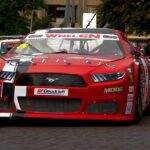
In a candid assessment that has stirred conversations across the NASCAR community,veteran driver denny Hamlin has openly criticized the performance of chevrolet teams on superspeedways,suggesting they overly rely on the resources and strategies supplied by Hendrick Motorsports.Speaking out during a recent media engagement, Hamlin’s comments highlight the challenges faced by Chevy teams as they navigate the competitive landscape of NASCAR’s premier racing series. With the superspeedway circuits consistently proving to be pivotal in championship standings, his remarks not only underscore the complexities of teamwork and technology within the sport but also raise questions about the competitive dynamics among manufacturers. As teams prepare for the upcoming races, the implications of hamlin’s statements may resonate thru the paddock, igniting further discussions on collaboration, performance, and the future of Chevrolet in the ever-evolving NASCAR arena.
Chevrolet Teams struggle for Superspeedway Success Amidst hendrick Dominance
In the highly competitive atmosphere of NASCAR superspeedway events, many Chevrolet teams find themselves grappling with the overwhelming dominance of Hendrick Motorsports. Denny Hamlin’s candid remarks highlight the struggle, as he asserted that Chevy squads are “sucking at the teat” of their more accomplished rival. Despite having capable drivers and solid equipment, non-Hendrick Chevy teams have faced difficulties in finding the same level of performance and cohesion on the track. As a result, the gap between them and the elite Hendrick entries continues to widen, raising questions about strategy and support within the Chevrolet brand.
The challenge for Chevy teams extends beyond just technical performance; it involves a complex blend of team dynamics, engineering, and race day execution. Key factors contributing to their struggles include:
- Team Resource Allocation: Limited access to vital resources and data sharing compared to Hendrick.
- Strategic Partnerships: A lack of cohesive alliances during races that can help elevate performance.
- Development Pace: Slower development cycles for vehicle upgrades in comparison to their rivals.
As the season progresses,the urgency for Chevrolet teams to adapt their strategies becomes increasingly clear. With the race for championship points heating up,they must find a way to close the performance gap and bolster their competitiveness against Hendrick’s formidable lineup.
Denny Hamlin Calls for Greater Collaboration Among Chevy teams to Compete Effectively
denny Hamlin has sparked a conversation within the NASCAR community regarding the unity and strategy of Chevrolet teams, especially when it comes to competing on superspeedways. Highlighting the dominance of Hendrick Motorsports, he pointed out that other Chevy teams often rely heavily on their success, calling it a situation where they “suck at the teat” of their superior counterparts. This commentary emphasizes the need for greater collaboration among Chevy drivers who, according to Hamlin, could bolster their performance and competitiveness by working together more cohesively.
In the modern landscape of NASCAR, teamwork is imperative for success, particularly in races known for their high speeds and strategic drafting. Hamlin advocates for a shift in mindset among Chevy teams, encouraging them to formulate stronger alliances and practise coordinated tactics during races. Breaking down barriers and fostering collaboration could lead to a more balanced ecosystem within the Chevrolet camp. Key considerations for enhanced teamwork include:
- Interaction: Establishing clear lines of dialog between drivers and crews.
- Drafting Strategies: Developing synchronized drafting plans for optimal speed.
- Shared Resources: Pooling technical insights for car setups and performance enhancement.
Evaluating the Impacts of team dynamics on Performance at Superspeedway events
In the competitive landscape of superspeedway racing, the dynamics within a team’s structure can substantially influence overall performance. Recent statements from prominent driver Denny Hamlin have brought attention to the interdependencies among different manufacturers, particularly highlighting how Chevrolet teams often rely heavily on the resources and strategies provided by Hendrick Motorsports. Such a relationship can create disparities, as smaller Chevrolet teams, aware of their limitations, may find themselves at a disadvantage when competing against well-established alliances that dominate in technical expertise and team cohesion. The insights shared by Hamlin raise questions about the competitive integrity within the series and how manufacturer collaborations may shift the balance of power on the track.
The impact of team dynamics on superspeedway performance can be observed through several key aspects:
- Collaboration: Teams that foster strong internal communication typically perform better under pressure.
- Resource Allocation: Access to advanced technology and engineering support from leading teams can enhance performance.
- Strategic Alliances: Smaller teams leveraging partnerships may benefit from shared data and racing strategies.
To illustrate the varying degrees of performance and collaboration among Chevrolet teams, the following table details recent race results that showcase the impact of team dynamics:
| Team | best Finish | manufacturer Support Level |
|---|---|---|
| Hendrick Motorsports | 1st | High |
| Richard Childress Racing | 4th | Moderate |
| Trackhouse Racing | 5th | Moderate |
| Petty GMS Racing | 20th | Low |
Future Outlook
Denny hamlin’s comments regarding the performance dynamics among Chevrolet teams on superspeedways underscore the ongoing complexities of competitive strategies within NASCAR. His assertion that some teams are overly reliant on the resources and advantages provided by Hendrick Motorsports raises questions about parity in the sport and the extent to which collaborations can influence race outcomes. As the season progresses, it will be critical to monitor how these dynamics play out on the track and whether such remarks prompt any shifts in team strategies or the broader competitive landscape among manufacturers. Enthusiasts and analysts alike will be keenly observing the impact of this discourse in the upcoming races as teams strive for not only victory but also a level playing field in one of motorsport’s most thrilling arenas.