IndyCar 2026 Season Review: Team Penske
As the dust settles on the exhilarating 2026 IndyCar season, all eyes are now turning towards the storied legacy of Team Penske, a powerhouse that has etched its name in the annals of motorsport history. With an impressive lineup of talented drivers and a commitment to innovation,Team Penske approached the season with high hopes and a fierce determination to reclaim dominance in open-wheel racing. Throughout an action-packed year filled with dramatic races,strategic maneuvers,and unforgettable moments,the team faced both triumphs and challenges on their quest for glory. In this extensive review, we take a closer look at Team penske’s performances, key highlights, and the strategies that propelled them through the highs and lows of a competitive season, analyzing the factors that will shape their future as they continue to vie for championship supremacy in the ever-evolving world of indycar racing.
Team Penske’s Strategic Mastery in the 2026 IndyCar Season
In the 2026 indycar season, Team Penske showcased remarkable strategic foresight, solidifying their position as a dominant force in motorsport.Their approach was characterized by a blend of innovative technology,meticulous planning,and a deep understanding of the evolving dynamics of racing. Key elements of their strategy included:
- Data-Driven Decisions: Leveraging advanced analytics to fine-tune car performance and optimize driver strategies during races.
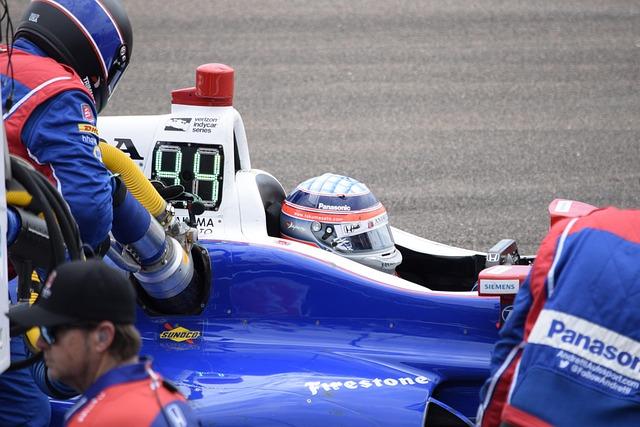
- Pit Stop Precision: Executing flawless pit stops that not only minimized time lost but also positioned their drivers for competitive advantages.
- Driver progress: Focusing on nurturing young talent while balancing the experience of veteran drivers to create a winning culture.
Moreover, the team’s collaboration with leading engineers and technology partners resulted in groundbreaking advancements in aerodynamics and engine efficiency. This commitment to innovation was evident in their performance statistics throughout the season:
| Driver | Races won | Podium Finishes | Championship Points |
|---|---|---|---|
| Josef Newgarden | 5 | 8 | 500 |
| Will Power | 3 | 6 | 450 |
| Pato O’Ward | 2 | 5 | 400 |
This impressive performance not only highlighted the team’s strategic mastery but also underscored their ability to adapt in a fiercely competitive environment, setting them up for sustained success in future seasons.
Key Performance Insights and Areas for Improvement
Throughout the 2026 season, Team Penske demonstrated a strong performance across multiple fronts, solidifying its position as a leading contender in the IndyCar series. Key metrics from the season reveal several areas of strength, including:
- Consistency: The team maintained a robust average finishing position, reflecting a combination of strategic pit stops and exemplary driving.
- Car Development: Significant advancements in vehicle aerodynamics and engine efficiency were noted, resulting in competitive lap times across a variety of circuits.
- Team cohesion: The seamless collaboration between drivers and the engineering team proved instrumental in adapting quickly to changing track conditions.
despite these positives, areas for improvement are evident, and addressing these could further elevate Team Penske’s performance. Highlights for consideration include:
- Qualifying Performance: the team struggled on several occasions to secure optimal starting positions, indicating a need for enhanced qualifying strategies.
- Incident management: An uptick in on-track incidents suggests a review of race strategies could mitigate unneeded risks.
- Mid-Race Adjustments: Although competitive,further refining real-time adjustments could allow the team to capitalize on race-day opportunities.
Looking ahead: Strategic Recommendations for Future Success
As Team Penske reflects on the 2026 IndyCar season, it becomes clear that strategic pivots are essential for maintaining their competitive edge in the coming years. Investing in advanced analytics can enhance decision-making across race strategies and driver performances. Key recommendations include:
- Embrace Emerging Technologies: Leverage data analytics for real-time race insights and predictive modeling to anticipate competitor actions.
- focus on Talent Development: Cultivate a robust pipeline of drivers by enhancing their skills through targeted training programs and mentorship from veteran racers.
- Enhance Fan Engagement: Develop interactive platforms and events that increase fan loyalty and participation,ensuring a thriving team community.
Additionally, a comprehensive look at the strengths and weaknesses of the current car platform is crucial. An investment in research and development to refine aerodynamics and fuel efficiency could yield significant performance gains. Key areas to consider include:
| Focus Area | Current State | Recommended Action |
|---|---|---|
| Aerodynamics | Stable | Optimize design through simulations. |
| chassis Durability | Good | Conduct stress tests and refine materials. |
| Fuel Efficiency | Adequate | Invest in lighter fuel alternatives. |
In Conclusion
the 2026 IndyCar season has showcased Team Penske’s enduring prowess and adaptability in the ever-evolving landscape of American motorsport. With a strategic blend of veteran experience and emerging talent,the team not only secured pivotal victories but also demonstrated a remarkable ability to navigate the complexities of a fiercely competitive field.As they prepare to build on this season’s achievements, the lessons learned and the innovations introduced are set to propel Team Penske into the upcoming seasons with renewed vigor and ambition. With the foundation laid in 2026, fans and analysts alike will be keenly watching how this iconic team continues to shape the future of IndyCar racing.