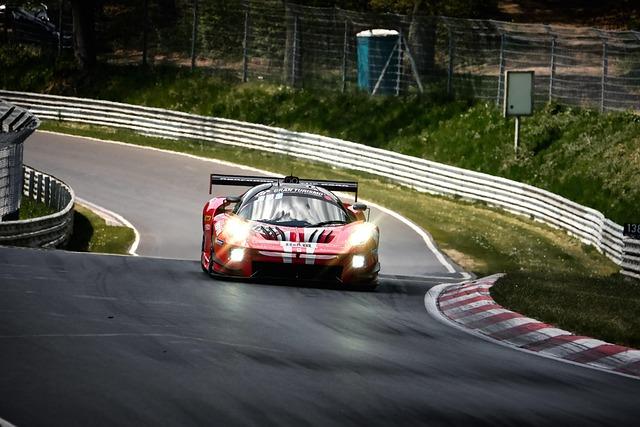
In teh fast-paced world of motorsports, where every second counts and adrenaline runs high, capturing the essence of racing requires more than just technical skill-it demands an artistic vision. “Motorsports Photography: The Art of Racing – WEC Black & Whites” delves into the captivating realm of motorsports photography,with a particular focus on the World Endurance Championship (WEC). This article explores how photographers translate the dynamic energy of the track into powerful black-and-white images that not only document the action but also evoke the raw emotions associated with the sport. Through expert interviews and a stunning visual showcase, we examine the techniques and perspectives that elevate photography from mere documentation to an art form, capturing the thrill of racing as experienced by both drivers and fans alike. Join us as we navigate the intersection of speed and artistry in the world of endurance racing.
Exploring the Dynamic Visuals of Motorsports Photography
The exhilarating world of motorsports photography encapsulates the high-paced drama and visceral emotion of racing, making every frame a potent reminder of speed and skill. Dynamic visuals can capture the essence of a moment, where the blur of motion contrasts sharply with the intricate details of machines and their drivers.Through monochromatic imagery, photographers can evoke a sense of nostalgia while simultaneously highlighting the purity of the sport. Each shot can tell a diverse story, from the intense focus of a driver before the green flag waves to the eruption of party as the checkered flag falls. This duality within black and white images allows for a deeper engagement with both the audience and the underlying narrative of competition.
The technical prowess involved in motorsports photography cannot be overstated. Photographers frequently enough employ a variety of techniques to enhance their storytelling, such as:
- High shutter speed to freeze the action.
- Panning techniques to convey speed and motion.
- Use of natural light to create dramatic contrasts.
- Framing and composition that draws attention to the vehicle’s speed.
These methods not only require a keen artistic eye but also a thorough understanding of racing dynamics. The result is a splendid array of visuals that resonates powerfully with fans, effectively transporting them into the heart of the race. Below is a brief comparison of conventional vs. digital methods used in motorsports photography:
| Aspect | Traditional Photography | Digital Photography |
|---|---|---|
| Film Usage | Requires film rolls, limited shots per roll | No film, virtually unlimited shots |
| Editing Process | Labor-intensive, involves developing film | Quick edits, immediate post-processing available |
| Cost | Higher costs due to film and development | Lower costs with memory cards and software |
Capturing the Essence of Racing with WEC Black and White techniques
In the world of motorsport photography, black and white techniques serve as a powerful tool to capture the inherent drama and intensity of events like the World Endurance Championship (WEC).Stripping away the vibrancy of color allows for a focus on contrast, texture, and the emotional undertones of racing. Unlike traditional color photos, black and white imagery emphasizes the grit and determination of the drivers, the sleek lines of the vehicles, and the palpable tension in the air. By utilizing shadows and highlights, photographers can turn a simple moment into a narrative full of emotion and movement.
Employing such techniques not only elevates the aesthetic appeal but also enhances storytelling in motorsport. Key elements often highlighted include:
- Driver Emotion: Capturing the focus and intensity etched on the faces of drivers while navigating hairpin turns.
- Mechanical Intricacies: The intricate details of tires and engines become iconic symbols stripped of color.
- Dynamic Action: The blurred lines of speed, combined with sharp, defined edges of the cars, tell a story of relentless pursuit.
This artistic approach has been embraced by many renowned photographers in the field,showcasing their ability to translate the adrenaline of racing into classic,timeless pieces of art. The black and white format not only connects with generations past but also resonates with modern audiences, reminding them of the rich history and raw emotion that defines motorsport culture.
Essential Tips for Aspiring Motorsports Photographers in the Fast lane
For those looking to carve a niche in motorsports photography, mastering the dynamics of speed and strategy is crucial. Here are several essential tips to help you get started:
- Know Your Subject: Understanding the different types of motorsport (rally, Formula One, endurance racing) can significantly influence your approach. Each discipline has unique characteristics that can make your shots stand out.
- Optimize Your Equipment: High-speed photography demands fast lenses and cameras with excellent autofocus systems.Invest in telephoto lenses to capture distant action while maintaining clarity.
- Timing is Key: Anticipate actions during races such as overtakes or crashes. Being in the right place at the right time will elevate your portfolio.
Beyond technical skills, consideration of light and composition will enhance your visual storytelling. Here are some key compositional strategies to keep in mind:
| Tips | Description |
|---|---|
| Use Leading Lines | Incorporate elements like tracks or barriers to draw viewers’ eyes into the photo. |
| Background Matters | Minimize distractions in the background to keep the focus on the action. |
| Experiment with Angles | Low angles can amplify the sense of speed and aggression. |
Closing Remarks
As we conclude our exploration of “Motorsports Photography: the Art Of Racing - WEC Black & Whites,” it becomes clear that this unique visual storytelling transcends mere documentation of speed and competition. the artistry captured through the lens not only highlights the thrilling dynamics of the World Endurance championship but also evokes the raw emotions and timeless narratives that define motorsports.
In the realm of black and white photography, the absence of color invites viewers to focus on contrasts, textures, and the sheer grit of the racing experience. Each image serves as a powerful reminder of the dedication of teams and the exhilaration of the drivers, encapsulating moments that resonate well beyond the track.
As we reflect on the intersection of art and athletics, it’s evident that motorsports photography invites us to see racing in a new light-one that honors the legacy of speed, skill, and the relentless pursuit of excellence. For enthusiasts and casual fans alike, the world of WEC serves as a stunning backdrop for this captivating art form, ensuring that the stories of the race continue to be told long after the engines have ceased to roar.