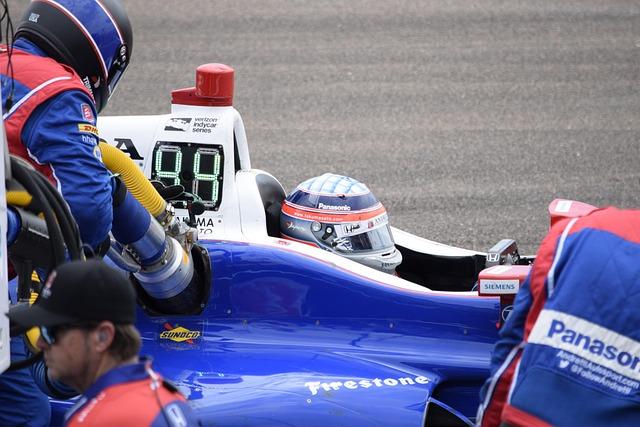
IndyCar Gears Up for Crucial Testing at Kansas Speedway
Excitement is mounting as IndyCar teams prepare for a significant testing session at Kansas Speedway, strategically situated in the heart of the Midwest. This pivotal testing phase comes at a crucial juncture in the racing calendar, enabling teams too fine-tune their setups and gather vital data ahead of forthcoming races. The main objectives during this test will focus on enhancing aerodynamic configurations and evaluating tire performance under various track conditions. Both drivers and engineers are keen to observe how their adjustments translate into on-track performance, concentrating on essential aspects such as:
- Enhancing vehicle stability through modified suspension settings
- Testing new tire compounds to improve grip levels
- Tweaking aerodynamic elements for increased downforce
- Optimizing engine settings for better fuel efficiency
This testing possibility will also enable teams to assess the overall competitiveness of their vehicles, particularly considering evolving regulations and advancements in tire technology. Seasoned drivers are anticipated to provide invaluable feedback that will assist engineers with potential modifications aimed at boosting performance during race conditions. With a mix of experienced racers and rising stars participating, the Kansas Speedway test is not only an essential planning exercise but also showcases diverse strategies that teams will implement throughout the season. Key metrics being monitored include:
| Metric | Description |
|---|---|
| Laps Completed | A measure of overall vehicle performance. |
| Tire Durability | the lifespan of tire compounds over multiple laps. |
| Fuel Efficiency | The effectiveness across different driving styles. |
| Aerodynamic Performance | The car’s stability and responsiveness through turns. |
Team Strategies and Driver Preparations Revealed
The upcoming IndyCar test at Kansas Speedway is poised to reveal critical strategies as teams refine their approaches before the racing season intensifies. Focus areas include effective tire management and fuel consumption-two crucial factors that can offer a competitive edge on race day. Insights from team leaders suggest that striking an optimal balance between aerodynamics and speed will be vital for successful race strategies. during this testing phase, teams plan to explore various setups aimed at achieving an ideal equilibrium between velocity and stability tailored specifically for Kansas’s unique circuit characteristics.
Simplifying driver techniques is equally important; many racers intend to experiment with different driving lines alongside braking methods designed to maximize lap times effectively. In-car communication systems combined with real-time data analysis remain top priorities ensuring adaptability throughout each session’s tests. Areas drawing particular interest encompass:
- Aerodynamic Drafting: Assessing how well drivers collaborate using aerodynamic advantages.
- Sustained Performance Analysis: Evaluating vehicle stability over longer runs simulating actual race scenarios.
- Pit Stop Strategy Optimization: Testing various scenarios aimed at perfecting pit stop timing while minimizing lost time during races.
| Team Name | Focus Area | Key Driver |
|---|---|---|
| Focus Area th > | Recommended Action th > / tr > |
|---|---|
| Aerodynamics > | Evaluate various wing configurations > / tr >> |
| Tires > | Anayze compound performances under diverse loads > / tr >> |
| Date analysis > | Create telemetry systems providing immediate feedback > / tr >> |
Concluding Thoughts on Upcoming Testing Opportunities!
The imminent indycar test scheduled at Kansas Speedway represents an invaluable chance for both drivers & crews alike aiming fine-tune equipment & strategy ahead new racing seasons! Given its iconic layout spanning 1 mile oval known presenting unique challenges-the upcoming sessions promise yield insightful revelations shaping competitive dynamics within series! Fans stakeholders eagerly await witnessing these preparations unfold-as everyone gears up harness lessons learned from this pivotal event! Stay connected RACER ongoing updates exclusive insights leading into what promises be thrilling Indycar Season!