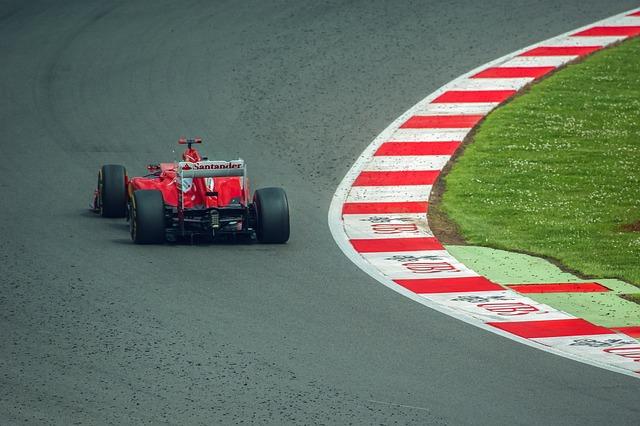
As Formula 1 gears up for the upcoming season, anticipation surrounds a groundbreaking addition to the sport: the overtake mode. Designed to enhance racing excitement and facilitate on-track battles, this innovative feature promises to transform how drivers navigate the complexities of overtaking. however, as teams prepare for the implementation of this tactical tool, questions remain about its functionality and the unfinished rulebook governing its use. With the F1 governing body still finalizing regulations, stakeholders are keenly awaiting clarity on how the overtake mode will operate- and how it will influence the competitive dynamics of the sport. In this article, we delve into the intricacies of the overtake mode, explore its intended impact on race strategy, and examine the reasons behind the ongoing debates surrounding its regulatory framework.
Understanding F1’s New Overtake Mode: Mechanisms and Strategies Explained
The new overtake mode in F1 is designed to enhance competitive racing, allowing drivers to gain an edge when pursuing rivals on the track. This mode operates on a few key mechanisms that integrate technology with strategy. Drivers will engage overtake mode using a designated button on the steering wheel, activating a boost that temporarily enhances power output. The mechanics behind this boost involve adjustments to both engine performance and energy recovery systems. Key features of the overtake mode include:
- Power Boost: Increases overall horsepower for a short duration.
- battery Management: Utilizes additional energy stored in hybrid batteries.
- Strategic Allocation: Teams must carefully manage how often and when to deploy the mode, as it may have limitations on usage during a race.
Despite its promising potential, the rules and regulations surrounding the implementation of this mode remain under discussion. governing bodies are evaluating the impact of these rules on race dynamics and fairness. Concerns have been raised about how the overtake mode may inadvertently favor certain teams over others,creating an uneven playing field. Factors influencing the final regulations include:
| Factor | Description |
|---|---|
| Equity | Ensuring all teams have equal prospect to benefit from the mode. |
| Fan Engagement | keeping fans excited about overtakes and on-track battles. |
| Technical Compliance | Ensuring teams adhere to specifications and limits of the overtake system. |
regulatory Ambiguities Surrounding Overtake Mode: What Teams Need to Know
The introduction of overtaking mode in Formula 1 has sparked considerable excitement, but it has also raised questions regarding its regulatory framework. Teams must navigate a landscape of unclear rules and ongoing discussions among governing bodies. The challenge here is not only about understanding how the mode will function but also about ensuring compliance with potentially ambiguous guidelines. Teams are advised to closely monitor updates from the FIA and be prepared to adapt their strategies as regulations evolve.
Among the primary areas of uncertainty are the technical specifications surrounding the system and the criteria for its deployment during races. Teams should be especially attentive to:
- Activation procedures: How and when drivers will be permitted to utilize the mode during races.
- Data management: The details that needs to be logged and shared with the FIA for compliance.
- Fairness implications: Ensuring that no team has an undue advantage, leading to potential interventions or rule adjustments.
These factors underline the necessity for teams to stay vigilant and adaptable as they prepare for a future where overtaking mode could redefine competitive dynamics on the track.
| Aspect | Current Status |
|---|---|
| Technical Regulations | Under Review |
| Activation Criteria | Undefined |
| Compliance Guidelines | Pending Finalization |
The Road Ahead: Recommendations for F1 to finalize Overtake Mode Rules
As Formula 1 looks to finalize the rules surrounding the much-anticipated overtake mode, stakeholders including teams, drivers, and fans are eager for clarity. The introduction of this mode aims to enhance racing action by allowing drivers to temporarily increase power when attempting overtakes. To ensure fairness and competitive integrity, it is crucial for the ruling body to consider several key recommendations. These include establishing clear power limits to prevent excessive boosts that could undermine the technical balance of the vehicles,and defining a specific duration for the overtake mode,ensuring it is neither overly powerful nor too short to be effective.
Furthermore, particular attention should be paid to the activation criteria for this mode. A clear set of conditions,such as requiring a certain gap to the car ahead or mandating a strategic usage in designated zones,could enhance the spectacle of the race. Additionally, introducing a monitoring system would help enforce the rules and maintain fairness throughout the season. By addressing these areas,Formula 1 can successfully implement a robust overtake mode that not only excites fans but also upholds the integrity of the sport.
In Conclusion
Formula 1’s introduction of an overtake mode promises to bring a new level of excitement to the sport, allowing drivers to strategically enhance their performance during races. However, as teams and fans eagerly await the finalization of the accompanying rules, uncertainties remain about the specific implementation and impact of this feature. As discussions continue amongst the governing bodies and stakeholders in the sport, the F1 community must navigate the complexities of innovation while balancing competitive integrity. With the new season on the horizon, the anticipation builds-will the overtake mode redefine racing strategies, or will it complicate the already intricate dynamics of competition? only time will tell as F1 strives to maintain its position at the forefront of motorsport innovation.Stay tuned as we monitor developments surrounding this pivotal change in the racing landscape.